Ordinary 10

Jun 9, 2018
4 min read
Updated: 5 days ago
The Tenth Sunday in Ordinary Time
Genesis 3:9-15; Psalm 130; 2 Corinthians 4:13-5:1; Mark 3:20-35
In our era of “fake news” accusations, conflicting reporting from new outlets and outright lying from various quarters of society, some people are calling our period one of “post – truth.” There is something “after” truth, “other” than truth? Pilate’s perplexing question to Jesus in John’s Passion resounds over the ages with a sting, “What is truth?” Or, is it maybe that humans have always had a problem with truth.
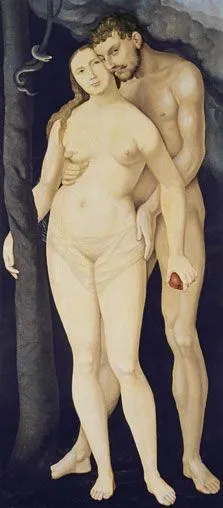
Consider the truth masked behind the man’s answer to God in the garden. It is all about fear, nakedness and hiding. Why? Because the man is guilty! Humanity is guilty! Why is it that people convicted of a crime hide their faces from media cameras? Truth has shown a light on their nakedness, there is fear of judgement and so we hide. Then comes blame. “[But God] the women whom you put here with me…” Whenever possible blame someone else rather than take responsibility. At least the woman was a little more straightforward, “The serpent tricked me into it, so I ate it.” The talking snake who first planted the seed of mistrust in regard to truth is all of a sudden silent; another place in which we hide from the truth.
The Gospel is no better. Consider what people, including his family, are saying about Jesus: “Jesus is out of his mind.” “Jesus is possessed by Beelzebul.” “Jesus drives out demons by the prince of demons.” “Jesus has an unclean spirit.” In other words, Jesus is evil. What caused people, including Jesus’ family, to say such things? Up to this point in Mark’s Gospel Jesus is recorded as driving out demons by his own authority, curing people of illnesses including Peter’s mother-in-law, a man suffering leprosy, another with paralysis, another with a withered hand. Jesus’ life is marked by healing and a head to head conflict with the evil that holds humanity in its grip.
What kind of blindness does it take to not see truth and create lies about another person? Why do we often prefer listening to and then spreading lies rather than seeking truth? What we call gossip and slander. Why do we seem to prefer to believe the worst about people (whether true or not) rather than the best in each other knowing, if we are truthful with ourselves, that each of us is a mixture of wheat and weeds? Or in Shakespeare’s words: we are “a mingled yarn, good and ill together” [All’s Well That Ends Well]. We really think that we are innocent. Isn’t that why we blame? To protect our false sense of innocence.
How do you and I deal with truth? The truth, first of all, about ourselves.
God’s questions to humanity in the garden form a good examination.
“Where are you?” These are the first words God speaks to humanity. But what is God really asking in this question? This is not a geographical question for sure. God knows that Adam and Eve are somewhere in the garden. They can’t get too far away. Yet why is God seeking us out. Is this seeking not the first movement of God to save us? Save us from our pride, our arrogance to think we can be like God?

Comments